How Search Engine Optimization Really Works
In the digital world, having a beautiful website is only half the battle. If people can’t find your site, it’s like opening a store in a secret basement—no traffic, no customers. This is where Search Engine Optimization (SEO) comes in.
SEO is the practice of increasing the quality and quantity of traffic to your website through organic (unpaid) search engine results. It’s essentially a way of speaking the same language as Google, Bing, and other search engines so they understand what you offer and feel confident showing your site to their users.
So, how does this complex process actually work? Let’s break down the mechanics into three main areas.
1. The Search Engine Process: Crawl, Index, and Rank
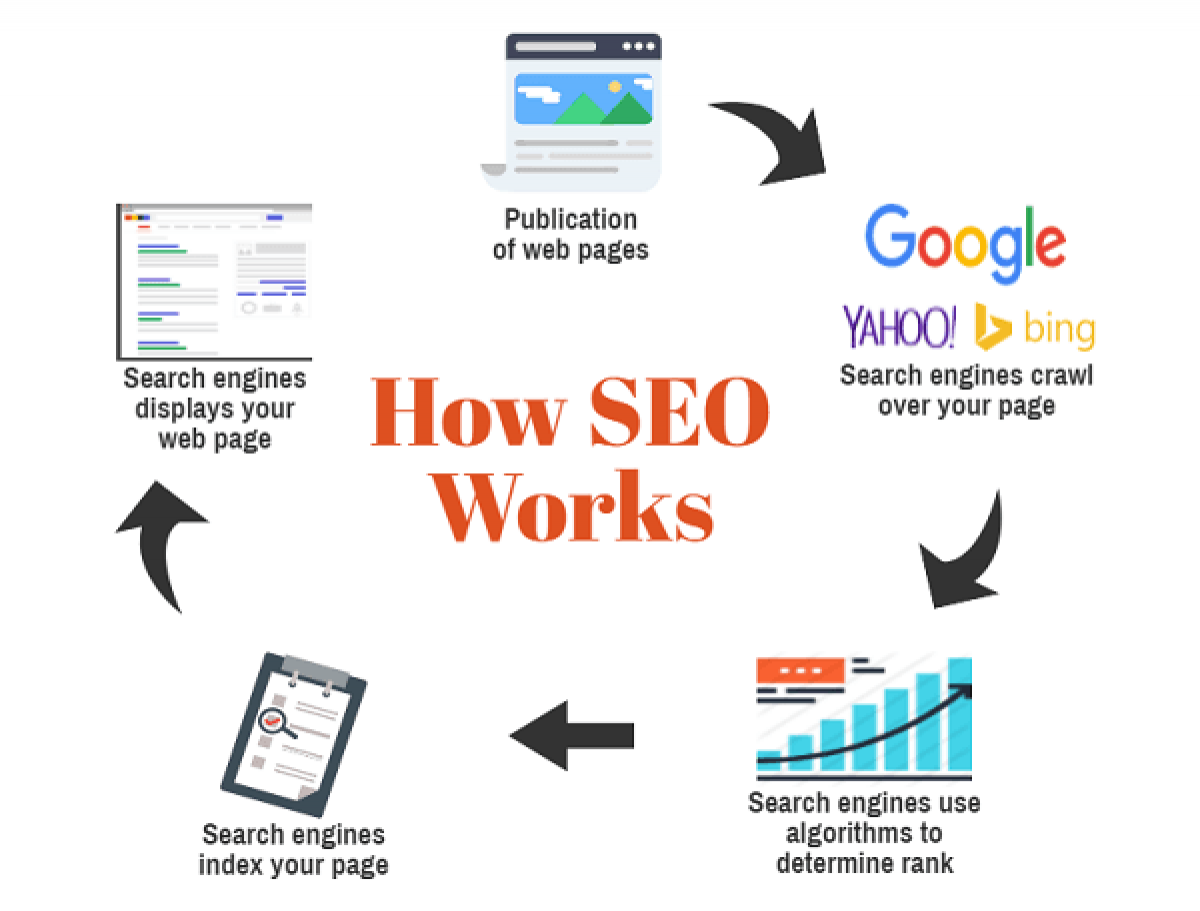
Before you can rank, the search engine needs to know your page exists. This is a three-step dance:
- 🔍 Crawling: Search engines send out automated programs called crawlers (or bots) to systematically explore the web. They follow links from page to page, discovering new content and checking for updates on old content. Think of them as librarians walking the aisles, noting every new book.
- 🗄️ Indexing: Once a page is crawled, the search engine analyzes the content and decides whether it’s valuable and unique enough to be stored in its massive database, known as the index. If a page is indexed, it is eligible to appear in search results.
- 🥇 Ranking: When a user types a query (e.g., “best coffee makers”), the search engine’s algorithms instantly sift through the index to find the most relevant, high-quality pages. It then presents these pages in order, based on hundreds of factors, to give the user the best possible answer.
Your entire SEO strategy is aimed at helping your site pass these three stages with flying colors.
2. The Three Pillars of SEO: Your Strategy Framework
An effective SEO strategy balances three core components, often called the “Three Pillars”:
A. On-Page SEO: The Content and Structure of Your Pages
This pillar focuses on everything on your actual webpage that helps both users and search engines understand what your content is about.
- Keyword Strategy: Identifying the specific words and phrases (keywords) your target audience is searching for and naturally integrating them into your content. This starts with understanding the user’s intent—are they looking to learn, shop, or find a specific website?
- High-Quality Content: Creating content that is relevant, comprehensive, and genuinely helpful. Google rewards E-E-A-T (Experience, Expertise, Authority, and Trust), meaning your content should be a reliable source written by knowledgeable individuals.
- HTML Optimization: Fine-tuning elements like your page title tag, meta description, header tags (H1, H2, etc.), and image alt text to clearly signal the page’s topic to search engines.
B. Technical SEO: The Website Infrastructure
This is the behind-the-scenes work that ensures search engines can efficiently crawl and index your site, and that users have a good experience.
- Site Speed: A fast-loading website is critical. Search engines prioritize sites that load quickly because users hate waiting.
- Mobile-Friendliness: With the majority of searches happening on smartphones, Google uses mobile-first indexing, meaning your site must be responsive and perform well on all devices.
- Site Structure: Organizing your website logically with clear navigation and effective internal linking so crawlers and users can easily find all your important pages.
C. Off-Page SEO: Building Authority and Trust
This pillar involves activities that happen outside of your website to build your site’s reputation and credibility across the internet.
- Backlinks (Link Building): The most crucial off-page factor. A backlink is a link from another website to yours. Search engines view these as “votes of confidence.” The higher the quality and relevance of the linking site, the more valuable the “vote.”
- Brand Mentions: Mentions of your brand, even without a direct link, help establish you as an authority in your space.
- Social Signals: While social media activity isn’t a direct ranking factor, it drives traffic and increases your content’s visibility, which can lead to more opportunities for backlinks and mentions.
In Summary: SEO is a Marathon, Not a Sprint
SEO is not a one-time fix; it is an ongoing process of research, optimization, and measurement. Every time a search engine updates its algorithm—and they do, frequently—the rules subtly change.
Ultimately, the best way to succeed with SEO is to always put the user first. Search engines are designed to deliver the best user experience possible. By creating valuable content on a fast, easy-to-use website, you are aligning your goals perfectly with the search engines, and that is the secret to winning the organic traffic game.
Contact us to get started today!
Dennis@carolinashoreswebscapes.com
239-304-8026
Or fill out the form on our Contact page!
Note: This article was put together with the assistance of AI.